Category: PreK-5 Dance Books

  • Blue on Blue by Dianne White

    Blue on Blue

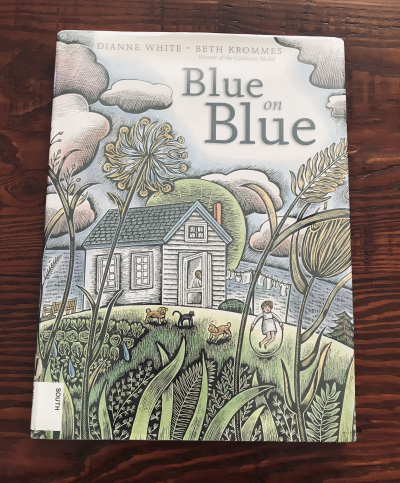
    I had just read Green on Green by Dianne White, so I was excited to check out Blue on Blue, a 2014 book by White with illustrator Beth Krommes.

    The blue refers to bright skies, which change in the book to stormy weather. Blue on Blue is a simple and clear depiction of a storm coming in, rain showers, and the sky clearing. Explore it with preschool and K-1 students. The book is a great way for young dancers to embody transitions, changes, varying tempos and of course the amazing actions of water (pouring, streaming, rushing, dripping, etc).

    Set up a playlist so that you can use a variety of songs to support the changes in the book.
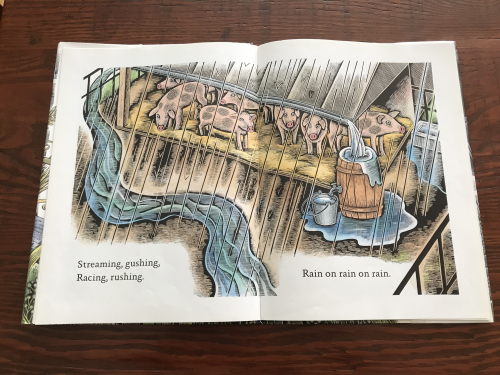
    Blue on Blue pages

  • Green on Green by Dianne White

    Screen Shot 2021-02-08 at 8.43.11 AM

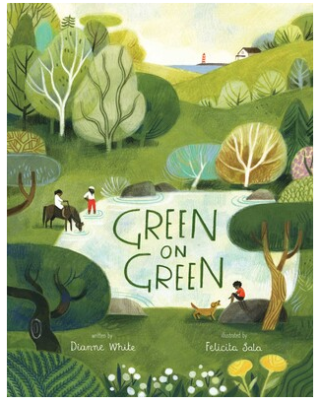
    Oh, this is such a wonderful book, which combines two of my favorite themes – the seasons and colors! Green on Green is a 2020 publication by Dianne White, with illustrator Felicita Sala.

    Check this out for explorations with K-4 students. The rhyming, poetic text is beautifully chunked, naturally lending itself to sections and "parts" for small groups of students.

    Yellow the flower.

    Yellow the seed.

    Yellow and black the buzzing bee.


    Lemonade petals.

    Sunflakes between.

    Lemonade, sunflakes, and yellow on green.


    Spring the meadow.

    Spring the pond.

    Spring the season of new birds' song.


    So begins the book! Check out author Dianne White reading it here in this Youtube video.

    The text offers space for multiple kinds of explorations. You and your students might create a shape or movement for each line, or for each section as a whole. It is a great springboard for playing with literal ideas and also poetic/abstracted expressions. As for music, may I suggest "Toufoula" by Ballaké Sissoko, Driss El Maloumi and Rajery?

    ——–

  • Taking Time – By Jo Loring-Fisher

    Photo 1

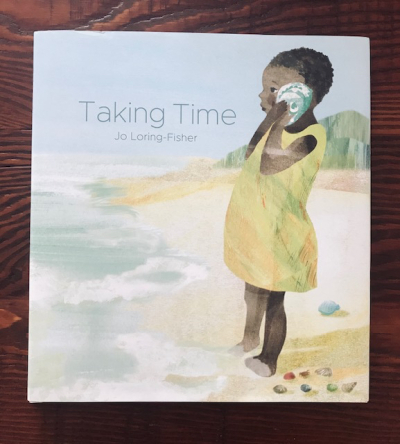
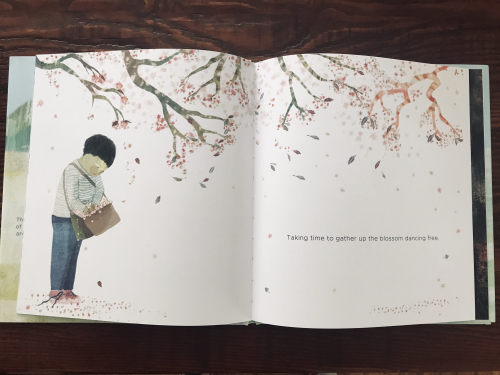
    Oh, I love this new book, Taking Time by Jo Loring-Fisher. "Taking time to listen to a bird's song on the breeze. Taking time to gather up the blossom dancing free." Those are the first two lines in the book.

    This expansive book can be explored with a wide range of ages – preschool through fifth grade. Read the book and explore time and all the ways we talk about it in dance, and how we feel time. "Take your time." "All of the time in the world." "Take the time you need."

    Explore duration, felt time, an internal sense of time. Play with feeling rushed, hurried. Move very slowly, slow, medium, fast, very fast.

    Then, instead of using the exact words of Taking Time, what if each student wrote their own line, riffing off of the book? What if your group dance came from these words and personal connections? (Ex. Taking time to stretch my arms as long as they can be…Taking time to give and receive….)

    As for music, may I suggest Michael Wall's composition "Clouded Street Sign?" It is #2 on the album Mix 2. You can listen to it in its entirety here.

    I dedicate this post to Joni Urry Wilson at Tanner Dancer in Salt Lake City, who taught me nearly 23 years ago how to take a book and make a magical project with it. Thank you Joni. Her lesson during my Dance for Children course has inspired so many lessons over the years since she first showed us how to use Caretakers of Wonder.

    Photo 2

  • How to Two

    IMG_4182

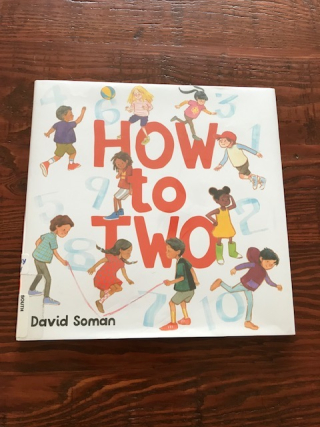
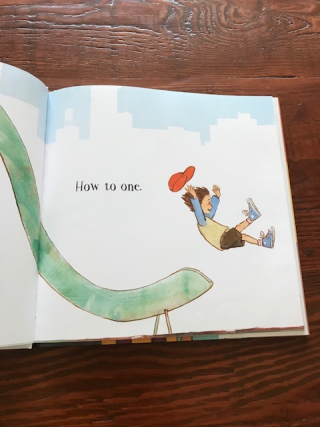
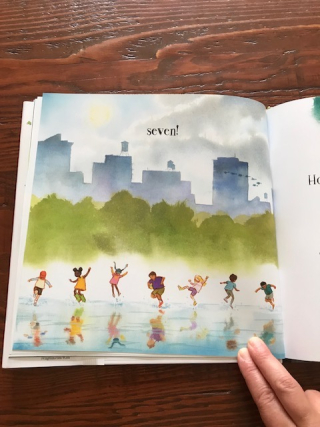
    Oh, I love the new books section at the library and stumbling upon new titles. Today I scooped up How to Two by David Soman. Do you work with preschool-first grade age children? This is a great book to explore groupings, taking turns, entrances/exits, and choreographing sections of a dance. Let's go!

    The text is super simple, but poetic and inspirational to lead us into a dance project. First start off with a read of the book to the group. How to one….how to two…how to three… The illustrations are of joyful, moving children.

    Each section of the dance can be one simple movement that the students repeat. For example, "How to one" could be one student skipping in the space. Then the dancer exits to the side. "How to two" could be two students in the middle of the room doing several criss cross jumps. You can cue them with your hand when it is time to exit. 

    Of course you can creatively alter the text, but the text goes to "How to ten." This means you need ten or more students in your class. If you have 10+, then several students can have more than one part in the dance. Even with a class of 20, students can be in an least 2 sections. 

    IMG_4183

    Co-create the ten sections together. Write them on big chart paper. Here is an example of how this might go:

    1 = skipping in a circle

    2 = criss cross jumps

    3 = swaying back and forth

    4 = sit spins

    5 = jumping jacks

    Students can move freely in the space when it is their turn to dance, or you can place blue tape to help with spacing:

    X

    X     X

    X     X     X 

    X     X     X     X

    Some music selections to try out include:

    • "Sky Full of Stars" by the Vitamin String Quartet
    • "Bambo Koyo Ganda" by Bonobo
    • Various versions of the jazz standard "Sweet Georgia Brown"

    Have fun! Please leave a comment below if you tried it out with your students and have more ideas and versions to share. Thank you!

    IMG_4184

  • Zoogie Boogie Fever!

    Book cover

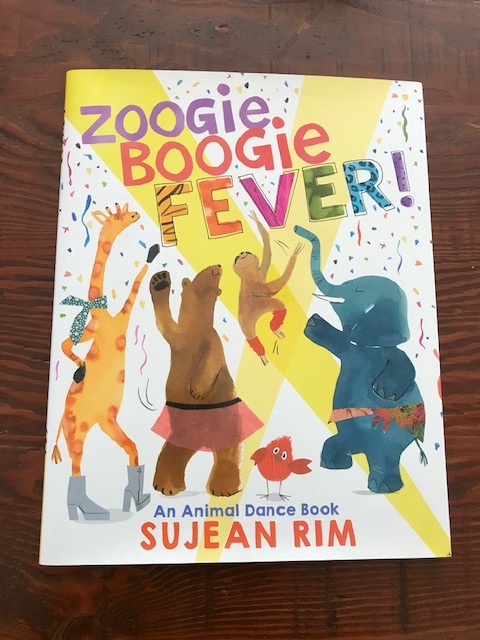
    This book was made for our dance classes! It works so magically with preschoolers' and kindergarteners' love of animal dances, imaginative play involving sneaking out and dancing at night, freeze dance games, and more. The words literally will narrate your group dance or structured improv for your class.

    The story will inspire swinging, swaying, jumping, and wiggling. We will move slowly and quickly. We will FREEZE when we don't want to get caught at the zoo….

    Musical selections can include bright jazz tunes like "Watermelon Man" by Herbie Hancock, "Seven Come Eleven" by Oscar Peterson, or "Salt Peanuts" by Dizzy Gillespie.

    Dance teachers – become the narrator of the book and let the words lead the sections of the dance (whether a culminating project or a recurring structured improv you repeat several times throughout the semester).

    Tease out the concepts of the book over several lessons:

    • Shapes/body positions
    • Various animals and how they locomote, plus the levels they move on (high/middle/low)
    • Fast and slow movement
    • Improvised movement/set steps
    • Naming steps/trying out new movement of your own that does not have a name
    • Dancing 2 by 2 across the space

    Purchase your copy of Sujean Rim's Zoogie Boogie Fever today!

    Boogie page

  • This is It – By Daria Peoples-Riley

    Th

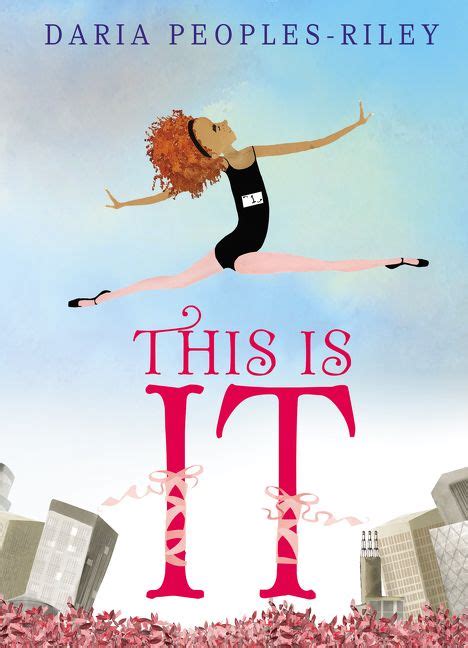
    This is It is a wonderful new addition to your dance book collection for children in preschool and grades K-2. The story, with gorgeous illustrations, is a "self pep talk" for a little girl. Words like brave, strong, and warrior fill the pages. "Dance with all your might. Dance like you belong in the spotlight!"

    While the basic storyline is about a pending ballet audition, the heart of the book is a rare gem within children's books on dance. It is about feelings and confidence. It is about bravery.

    Check it out!

    IMG_2585


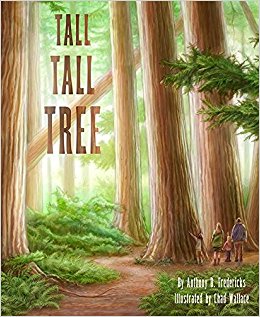
  • Tall Tall Tree by Anthony D. Fredericks

    51KXVcN53cL._SX258_BO1 204 203 200_-1

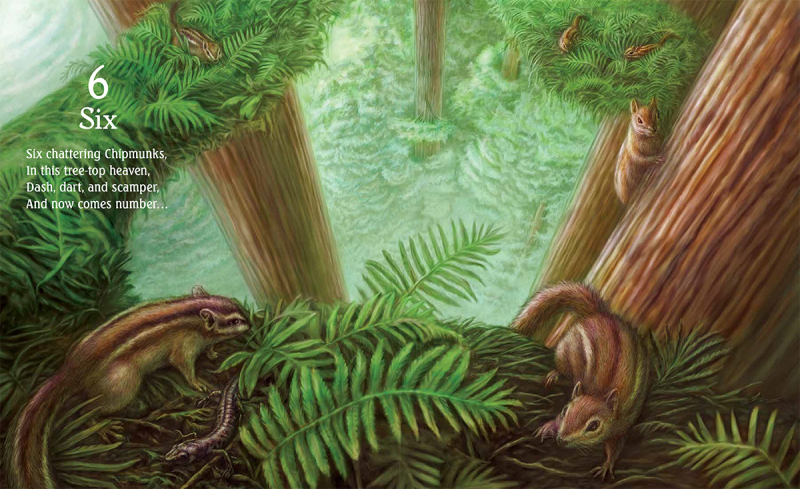
    The 2017 publication of Tall Tall Tree (author Anthony D. Fredericks and illustrator Chad Wallace) is a delightful new book to try out with preschool, kindergarten, and first grade students. The book offers a variety of animal movements and also is a counting book – 1 eagle, 2 owls, 3 salamanders…. Tall Tall Tree explores the many different creatures that live within giant redwood trees.

    Counting books like this one so nicely lend themselves to "parts" for a group dance. So if you have 20 or more students in a class, everyone can get one or two parts to the dance.

    1 eagle (soaring, searching)

    2 owls (carrying food, sharing, nesting)

    3 salamanders (climbing, hunting)

    4 woodpeckers (quick movements, pecking, storing food)

    5 woodrats (darting, eating)

    6 chipmunks (dashing, darting, scampering)

    7 bumblebees (quickly zigging and zagging)

    8 bats (sleeping, waiting, hanging)

    9 banana slugs (sliding, sliming)

    10 ladybugs (crawling, flying)

    Tall Tall Tree is nicely bookended with clear beginning and ending text to help shape your dance. Teachers – you can be the narrator for the dance and literally read the whole story aloud to help shape and pace the dance.

    As for music selections, try out "Brace Brace" by Bonobo, or "Blind Man, Blind Man" by Herbie Hancock.

    TALL_B2

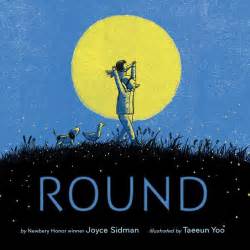
  • Round by Joyce Sidman

    Today we are excited to have SF Bay Area teaching artist Juliana Monin writing for Dancing Words.

    Th-1

    My daughter received Round as a gift, and it’s filled with great images and ideas for dance. Written by Joyce Sidman and illustrated by Taeeun Yoo, Round is lyrical and dreamy, delighting in some of the ways we enjoy round things. It could be an excellent way to introduce a study of shape for preschool through 3rd grade.

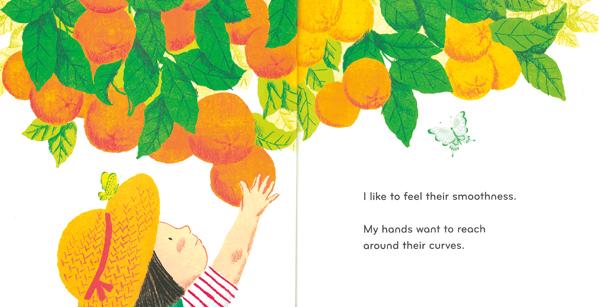
    Some inspirational images include: curving around round juicy oranges, round seeds quiet and still, swelling mushrooms, concentric rings of a tree stump, round ripples from rain drops onto water, and bubbles bursting.

    Image

    One favorite page depicting dung beetles says, "I love to watch round things move. They are so good at it! Rolling, spinning, bouncing. I always wonder where they’re headed.” Students can practice rolling on pathways with varying speeds, being “rolled” by someone, or rolling singular body parts.

    Another nice idea comes from two pages showing how water smooths out the edges of rocks over time. Students can practice several ways of transforming from angular shapes to curved ones.

    Other pages about friends linking together to make round circles, or hugging a loved one, lend to partnering explorations about round – loose and round, low and round…How big a round shape can you make? How small? How are you connecting?

    Round is sweet and serene, helping to remind us of the magic in our simple, natural, round world. I’ve been having fun dancing out some of these pages and think you will too.

    ——–

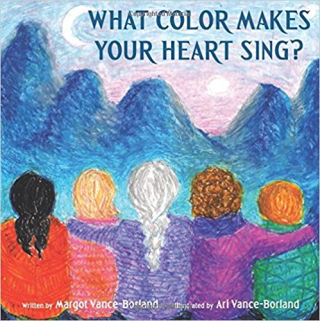
  • What Color Makes Your Heart Sing? (For K-3 dance classes)

    61jQABVuemL._SX497_BO1 204 203 200_

    I am always on the lookout for books for dance classes – to explore colors, emotions, and also poetic text to narrate a group dance. What Color Makes Your Heart Sing? (Margot Vance-Borland and Ari Vance-Borland) is reminiscent of an older book, Caretakers of Wonder. Check out this 2016 book if you work with K-3 students. 

    The text lends itself to small group work, students selecting their favorite sections, props, and more. 

    Some people come on the blue wave. They love oceans and sky and blueberries in the summer. They like to lie on their backs and look up at the blue, blue sky.

    Some people come on the green wave….nourished and fed by the green hillsides and trees. Standing in the forest with bright green sprouts poking out of the ground.

    Some people come on the pink ray…they love roses and little pink flowers that line the path where they dance. When they see pink, they feel happy inside…

    Very quickly – you get a sense of the text and its tone and movement potential. 

    I also envision a beginning section of a group dance and a similar ending section. Students can have long pieces of fabric or scarves, and they travel across the space color by color. We see a wash and wave of red….blue….green…etc. Shape their traveling phrases to include locomotor and axial movements. 

    Music ideas include:

    • "Toufoula" by Ballaké Sissoko, Driss El Maloumi, and Rajery (3MA album)
    • "So Long Lonesome" by Explosions in the Sky
    • "Walk in the Sky (Instrumental)" by Bonobo
    • "Clocks" by Vitamin String Quartet (cover of the Coldplay song)

    Other books with a similar tone and movement potential include:

    ————


  • Love is a Tutu

    Th-1

    I love this little book, published in 2016. Made with special textured paper, the colors used are bright pink, black, and white. Amy Novesky and illustrator Sara Gillingham strike just the right notes to capture the attention of 2, 3, 4, and 5 year old dancers.

    Love is a tutu,

    tulley and new.

    A leotard

    and tights,

    a pair of toe shoes.

    Love is leg warmers to wear to the barre.

    Sous-sus,

    tendu.

    One, two, three, four.

    Use this book to start a dance class or enjoy it at home with your young dancer. Purchase Love is a Tutu today here.

    ——–